
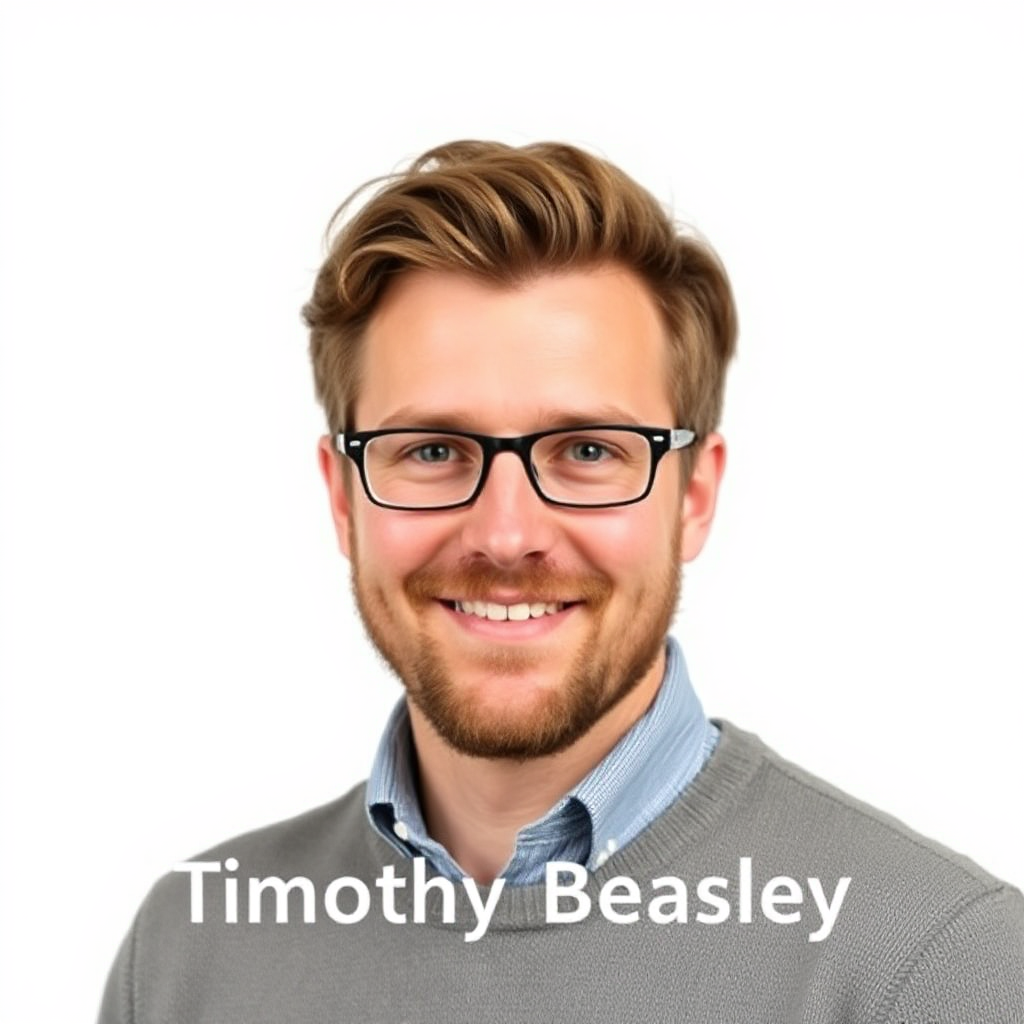

Previous Google executive Matt Brittin has been appointed as the BBC's next leader.
The former president of the tech giant's EMEA region will take over from the outgoing director general, who revealed his resignation in the autumn after a row over how a BBC programme altered a speech by Donald Trump.
The corporation's chairman Samir Shah stated that the appointee, who departed from Google in the previous year after a long tenure, "provides the BBC deep experience of managing a prominent and complex institution through transformation".
The 57-year-old remarked he "can't wait to start this work", labeling it "a time of real danger, yet also significant possibility".
He noted that the country requires "a successful BBC that works for all in a turbulent, uncertain and rapidly evolving landscape".
Detailing his priorities, he continued: "The corporation requires the speed and vigour to be simultaneously where stories are, and where audiences are. To enhance the reach, credibility and creative excellence today, confront challenges with courage, and succeed as a publicly-funded broadcaster ready for the coming era."
'Sweeping Overhaul'
Shah called the new appointee "an exceptional leader" with "the attributes required to steer the broadcaster through the many changes taking place in the industry and in viewer and listener habits".
The chairman also commended his "passion for the BBC, his comprehension of the issues ahead of the institution, his dedication to its impartiality and his drive to preserve the BBC's standing as one of the country's greatest public institutions".
The incoming director general steps in at "a pivotal juncture", as the government assesses the BBC's governing charter, the chairman added.
"Undoubtedly there is need for radical change of the BBC, its licence fee system and the system in which it functions. The consequences for the BBC, and the prospects of public service broadcasting, have never been higher."

The BBC's most senior position is regarded to be one of the most challenging in the UK's journalism.
During Davie's period as leader as the broadcaster's 17th chief, he was responsible for dealing with a number of scandals and difficult periods at the organisation.
His key tasks will involve handling a high-value defamation legal case filed by the former president against the BBC.
The former president is objecting to the way the programme spliced two parts of a speech he gave on January 6th, for which the BBC has apologised.
Last week the broadcaster asked a legal body to dismiss the claim, arguing the controversial episode did not transmit in the United States.
BBC at a Critical Juncture
The incoming chief steps into the role at a critical period for the BBC in other ways, too.
He will take forward talks with the government on the corporation's constitution and the fate of the TV licence and corporation financing.
The existing framework, which defines the terms and purposes of the BBC's operation, will run out in 2027.
Brittin's selection also comes at a time when the BBC is battling with large technology firms in the streaming arena.
The search engine's parent company operates YouTube, with which the BBC recently disclosed a landmark deal to create tailor-made content.
Corporate History a Advantage?
Some individuals within Google "have only good things to say" about him, as an inspirational manager and a great team player".
Several have raised doubts about the BBC's appointment someone with a background in tech rather than public service or traditional editorial experience.
However, it is understood that "he's been picked by the BBC's governing body for his deep understanding of the digital sector. There's an belief he will accelerate the shift to digital-first, for example in journalism. He'll also almost certainly focus on revamping and developing BBC iPlayer."
Former senior BBC journalist a former colleague, who was alongside him at Google, commented he is "highly motivated by a feeling of serving the public".
"He is passionate about the BBC for its reliable journalism and its creative output, but he's also very conscious of its past as a technological pioneer.
"He aims the BBC to succeed in a climate where a lot of its greatest issues are related to technology, whether that's the dominance of the streaming services, digital disinformation, or simply how people prefer to consume programmes.
"Given his background and contacts across the tech industry, and also the connections he's built with broadcasters, the journalism sector, regulators and authorities, I think he's ideally suited to address the challenges."
Who is Matt Brittin?

Hailing in Surrey, he earned a degree from the Cambridge, while also rowing for them in the annual race three times.
He also competed for Great Britain and won|secured|earned


